

How To Make A Ocean Biome Animals
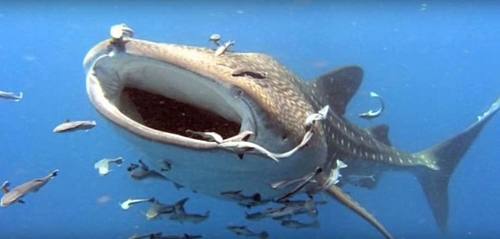
Marine biomes are the largest of all biomes in the earth, it covers about (70%) of the earth surface and it consists of two types of water- the fresh h2o and the marine water. In ecology marine biomes are usually made of salty ocean h2o which all include the Atlantic, Pacific, Indian, arctic and Southern oceans.
Table of Contents
- Types of marine biomes
- Body of water
- Coral reefs
- Estuaries
- The marine biome climate
- Marine biome plants
- Marine biome animals
Types of marine biomes
Marine biomes are divided into oceans, coral reefs and estuaries
Ocean
Oceans are the largest ecosystem with diverse organisms, they connect with the land ecosystem through the inter-tidal zone (i.e. rising and falling of tides), however, the oceans and the country work together to transfer heat and freshwater around the world.
The circulation of ocean currents moves warm water towards the poles and colder water towards the equator. The ocean can store much more than heat than the land surfaces on the earth and bulk of the thermal free energy on the earths surface is stored in the bounding main.
Thus, the assimilation and movement of energy on the earth is especially linked to the body of water-atmosphere organisation. The body of water is not static, but constantly changing from time to time, notwithstanding, many species have their specific location and they have ways of surviving in this biome.
For instance, various animals settle at the bottom and on the seashore and the rocky part of the ocean consists of fewer species, due to it rocky nature and considering the highest tides are nerveless only at the acme of the cliff. The largest part of the sea is called the abyssal zone; this zone is about of 4,000 to 6,000 metres deep (13,123 to 19,685 feet).
Abyssal zone is incomplete darkness and never receives daylight and considering of this, information technology lacks higher plants, but consists chiefly of cannibal animals that are oftentimes blind or have special luminous organs and are structurally adapted to withstand the great pressures of this level. This region is also characterized by continuous cold, extreme water pressure and lack of nutrients.
The abyssal zone has temperatures around 20C- iii0F(350F- 370F) through the large bulk of its mass. Some animate being species institute in the oceans are the seaweeds, sea worms, clams, predatory crustaceans, venereal, and shorebirds.
Coral reefs
Coral reefs are domicile for all marine species, these comprehend just i% of the marine flooring and consisting of thousands of animals and plants species, these diversities of species are because of availability of food, shelter, calorie-free, mates and places to reproduce.
Reefs are also a convenance ground for large fish species, keeping them safe until they are matured plenty to strike out into the deeper ocean. Coral reefs are important biomes for animal species; they provide an important barrier against some natural disasters similar storms, hurricanes, and typhoons. They are also essential non only to ocean lives, but also to homo health and well-beingness; they provide human with food and income through fishing for various commercial purposes.
So many factors or activities are corking threats to the coral reefs such every bit climate change, pollution, soil erosion, and over fishing. Over line-fishing is a contributing gene to ecological residuum of coral reef species, this human activity interrupts the food concatenation and causing effects far beyond the directly overfished population. Other impacts that cause harm to the reef come up from pollution, Urban and industrial waste, sewage, agrochemicals, and oil pollution.
These toxins are discharged direct into the ocean, or carried by river systems from sources upstream. Sewage and runoff from farming increment the level of nitrogen in seawater, causing an overgrowth of algae, which 'smothers' reefs by cut off their sunlight.
Additionally, Sediment is sometimes washed into the coral reef when big areas of land are bulldozed, mayhap for the purpose of structure or poor agricultural practices. Running water can wash the soil into streams and this somewhen will be transported to the ocean, where it will bury the corals and kill the reef.
The trash and debris that washes off the streets, such as oil from our cars, ends up in the storm drains that carry information technology to the sea and onto the reef
Estuaries
An estuary is an enclosed littoral body of brackish water with one or more rivers or streams flowing into it, and with a costless connection to the open bounding main. These are areas where fresh and salt-water meets), they serve every bit passage in which the tide meets a river current, especially an arm of the ocean at the lower end of a river.
Estuaries are fabricated up of defined plants and animals settling on the margin of the body of water due to the tidal and shelter they provide. The estuaries are productive environments and they take enough organic matters for creature species when compared to grassland biomesand forest biomes , there are dissimilar habitat in the estuaries which include fresh water, common salt marshes, shallow open waters, sandy beaches, rocky shore, mud, oyster reefs, river deltas, tidal pools sea grass, kelp beds and wooded swamps. Estuaries come in different names such as bays, lagoons, inlets, sound or harbour.
Animals as fish crabs lobster, crayfish, shellfish, clams, marine worms, shore birds, jellyfish, body of water birds and reptiles frequently found their abode in the estuaries. Some other plants species still arrange in these parts of the seas especially in the torrid zone, they include-seaweeds, marsh grasses, algae, macro flora and mangrove trees.
The marine biome climate
The ocean is the largest biome in the world, it has an average temperature of 390F (40C). Marine lives are constantly affected by the changes in weather condition, the body of water biome is colder at the South Pole, but warmer near the equator as the sun falls directly on the surface of the waters. The oceans are often disturbed past body of water currents and waves, these factors bring well-nigh hurricanes and typhoons, which may cause little impairment to some species seasonally.
Species that are oftentimes affected are plankton, fish, polar bears, walruses, seals, penguins, sea birds and bounding main lions. Some of the marine species are already adapting to these seasonal disasters, every bit they have already known where to migrate to when the bounding main is troubled by these factors.
Loftier temperature is some other factor that causes stress and in many cases has led to coral death; this high temperature brings nearly coral bleaching which has cause over seventy% of marine decease in many parts of the world.
Marine biome plants

Marine biome plants
In that location are millions of plants and animal species in the sea biomes, and some of these species are not yet discovered. The dominant plant species found in the ocean biome are phytoplankton, kelp and see weeds; phytoplankton and kelp are of import body of water biome plants that provide much of the worlds needed oxygen, they and accept in huge amounts of carbon dioxide and they provide foods for other marine brute.
Kelp is a marine alga that provides shelter and food for many marine creatures. It also serves an important purpose to human being as information technology is used in some of our products like ice creams and in toothpaste.
Marine biome animals

Marine biomes animal species
The sea biomes are homes for various animal species, these animals go their food from plants or from smaller animals and they are provided with shelters. Some of these animals include mollusks, fish, whales, crustaceans, bacteria, fungi, ocean anemones. These animals possess some unique features that allow them to adapt well in the environment which they found themselves and are also able to withstand any harsh climatic status.

Dr. Brown is the founder of Jotscroll, he is a Medical Physician, Entrepreneur, and author. Dr. Razi Brown holds a medical degree from the University of San Diego. He has invested in many startups and is currently working on his fifth book to be published in the upcoming twelvemonth.
Source: https://www.jotscroll.com/forums/3/posts/134/marine-biomes-types-of-marine-biomes-location-plants-and-animals.html
Posted by: machadodazint78.blogspot.com
0 Response to "How To Make A Ocean Biome Animals"
Post a Comment